
What to pack for residential OCD treatment: a complete checklist
A realistic packing list for adults, teens, and young adults entering residential OCD care, including what most programs prohibit and what to leave at home.
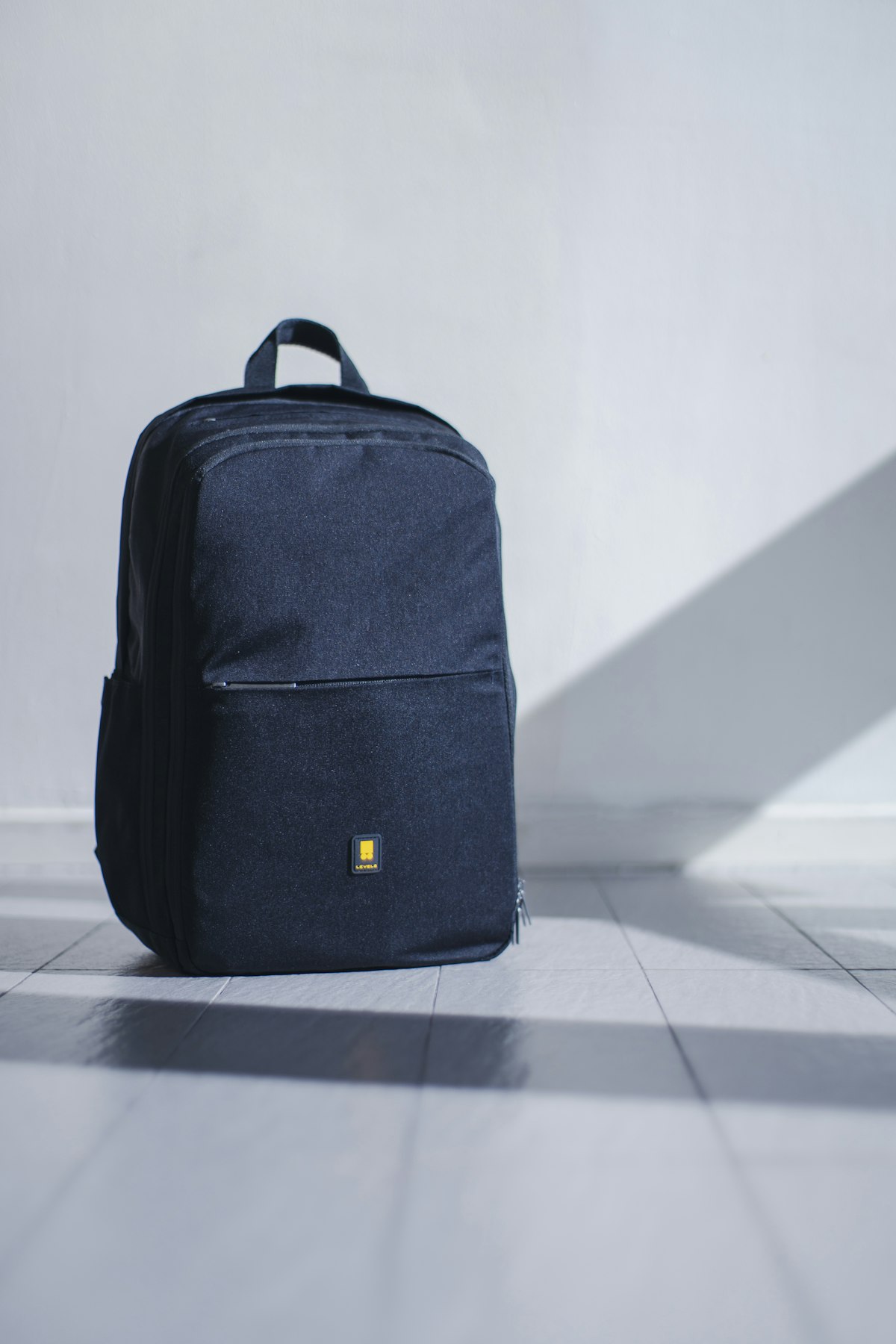
Packing for residential OCD treatment is more restrictive than most families expect. Every program has a specific list of allowed and prohibited items, and the restrictions exist for clinical reasons. This guide covers the items that are almost universally allowed, the items commonly prohibited, and the small things that make the stay easier.
Clothing
Pack for 10 to 14 days of clothes. Every residential program has on site laundry. Bring comfortable, layered clothing. Programs in Utah, Vermont, and Massachusetts get cold. Programs in California and Texas stay warm. Include one outfit suitable for family sessions or off site outings, athletic wear for the daily movement or exercise block, and pajamas.
Most programs prohibit clothing with drawstrings that cannot be removed, revealing clothing, and clothing with drug or alcohol references. Some programs also restrict clothing with graphic imagery or slogans.
Toiletries
Bring a 30 day supply of anything you use daily. Most programs require that toiletries be alcohol free, which rules out most perfumes, mouthwashes, and hand sanitizers. Aerosols are commonly prohibited. Razors are typically kept in a locked staff area and signed out during shower time.
If you use prescription skincare, bring the original pharmacy bottle. Programs will not accept unlabeled containers.
Medications
Bring all current medications in original pharmacy bottles with the prescribing information intact. Programs will not accept pills in daily organizers or unlabeled containers. Include a written list of current medications, doses, and prescribing physicians. If you use a CPAP or other medical device, notify the admissions coordinator ahead of time.
Electronics
Rules vary widely. Most adult residential programs allow phones during designated hours only. Most adolescent programs do not allow personal phones at all and instead provide scheduled phone calls with family on the program landline. Laptops are typically allowed for adults for academic or work reasons only, and only during designated times.
Bring a basic wristwatch. Programs often collect phones and there will be no clock in the bedroom.
Comfort items
Bring one small pillow, one blanket or throw, framed photos of family and pets, and a few books. Programs vary on stuffed animals, so ask ahead. Journals are almost universally allowed and encouraged.
Still evaluating programs?
Before packing, make sure the program you selected is the right clinical fit. A specialist evaluation before admission catches misalignment that a program tour cannot.
Get a specialist evaluationWhat most programs prohibit
- Weapons of any kind, including pocket knives and multi tools
- Alcohol, drugs, and any product containing alcohol as an active ingredient
- Aerosol products, including hairspray and body spray
- Glass containers
- Sharp objects, including sewing needles, scissors, and metal nail files
- Candles, incense, and lighters
- Outside food and beverages, including energy drinks
- Over the counter medications, vitamins, and supplements not preapproved by the medical team
- Anything with cords longer than roughly 12 inches, including phone chargers with long cables, which are typically swapped for program provided short cables
What to leave at home
Cash beyond 40 dollars for small outings. Credit cards. Valuables including jewelry beyond a simple watch and one meaningful item. Anything irreplaceable.
A note on OCD themes and packing
Contamination OCD often turns packing into a multi day ritual. Symmetry and just right OCD can make item selection feel impossible. Scrupulosity OCD may generate worry about what is or is not allowed. This is normal, and the treatment team expects it. Bring what fits on the program list and let the arrival team handle the rest. The packing itself is often the first exposure of the stay.
Program specific variations to check on before packing
Every residential OCD program publishes a packing list. Read the list your program sent and pack from that document, not from a generic online checklist. Common program specific variations include whether closed toe shoes are required during the daily movement block, whether the program provides bedding or expects the resident to bring their own, and whether personal music devices are allowed during quiet hours.
Adolescent programs are consistently more restrictive than adult programs. Most adolescent residential OCD programs do not allow personal phones at all, prohibit any clothing with metal grommets or eyelets, and require that all books be preapproved. Adult programs allow more autonomy, though contraband inspections still happen at admission and after any off site outing.
Contamination OCD programs and units may have specific rules about shared items, hand sanitizer, and cleaning products that differ from other tracks within the same facility. If your loved one has contamination OCD, ask the admissions coordinator whether their room assignment and unit will include any accommodation restrictions that inform packing.
What the first 48 hours actually feel like
Packing well helps. Overpacking hurts. Programs collect and inventory every item at admission, and the process takes one to three hours depending on how much came in the suitcase. Bringing fewer, well chosen items shortens intake and reduces the sense of being processed. Adults who overpack sometimes leave items in a locked storage area for the entire stay because there is nowhere to put them in the room.
The first 48 hours are the most disorienting part of the stay. Familiar objects help. A framed photo, a favorite blanket, and a journal are the three items families most commonly report made a difference. Programs with limited personal item allowances still permit these in nearly all cases.
If you or your loved one is anxious about the packing process itself, that is often the first useful piece of information for the treatment team. Bring it up at intake. It is an entry point into the ERP work that begins later in the week (see our walkthrough of the first week of residential OCD treatment).