
Find residential OCD treatment programs your family can trust.
Searching for residential OCD treatment is overwhelming. OCD RTC is an independently verified directory of the best OCD residential programs in the United States organized by state, age group, and treatment approach.
Showing 18 verified residential OCD treatment programs across 10 states
OCD RTC is the only directory focused exclusively on residential OCD treatment programs in the United States. Unlike general mental health directories, every program listed here has been evaluated specifically for OCD specialty, ERP as a primary treatment modality, and current operational status. Whether you are looking for residential OCD treatment for a teenager, a young adult, or an adult, you can filter by age group, state, gender, and treatment approach to find the right fit for your family.
How to find residential OCD treatment in three steps.
Search by state, age group, and treatment type.
Read verified program details, modalities, and last verified dates.
Call admissions directly. No referral fees, no middlemen.
Verified residential OCD treatment programs
These residential OCD programs have been directly contacted and confirmed by our team.
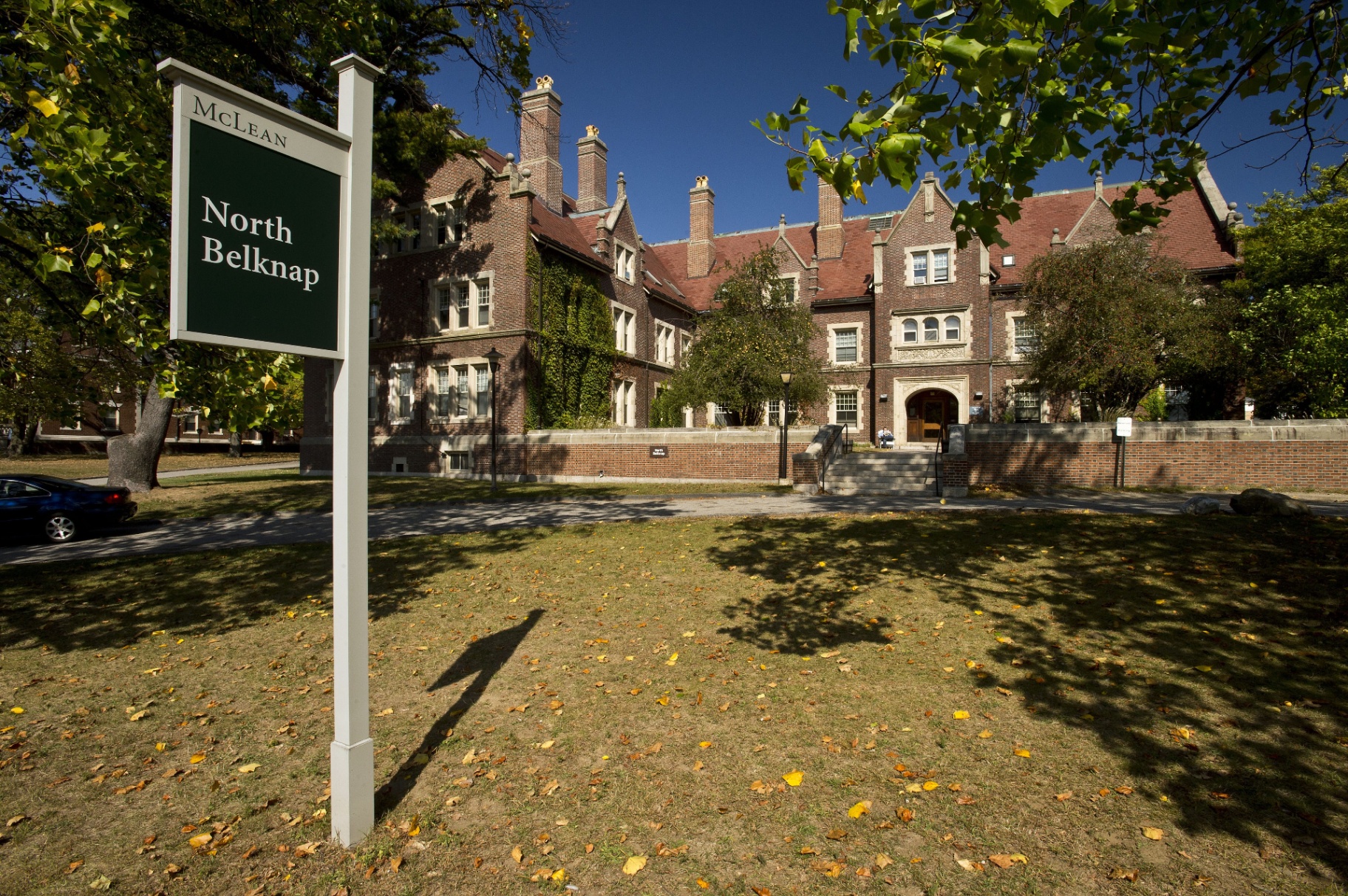
McLean OCD Institute
Belmont, Massachusetts
✓ Verified · Last verified Invalid Date
ERP · CBT · Exposure Therapy · Individual Therapy
McLean OCD Institute Jr.
Middleborough, Massachusetts
✓ Verified · Last verified Invalid Date
ERP · CBT · Exposure Therapy · Individual Therapy

Newport Academy Adolescent OCD Residential
Ventura County, California
✓ Verified · Last verified Invalid Date
ERP · CBT · DBT · Family Therapy
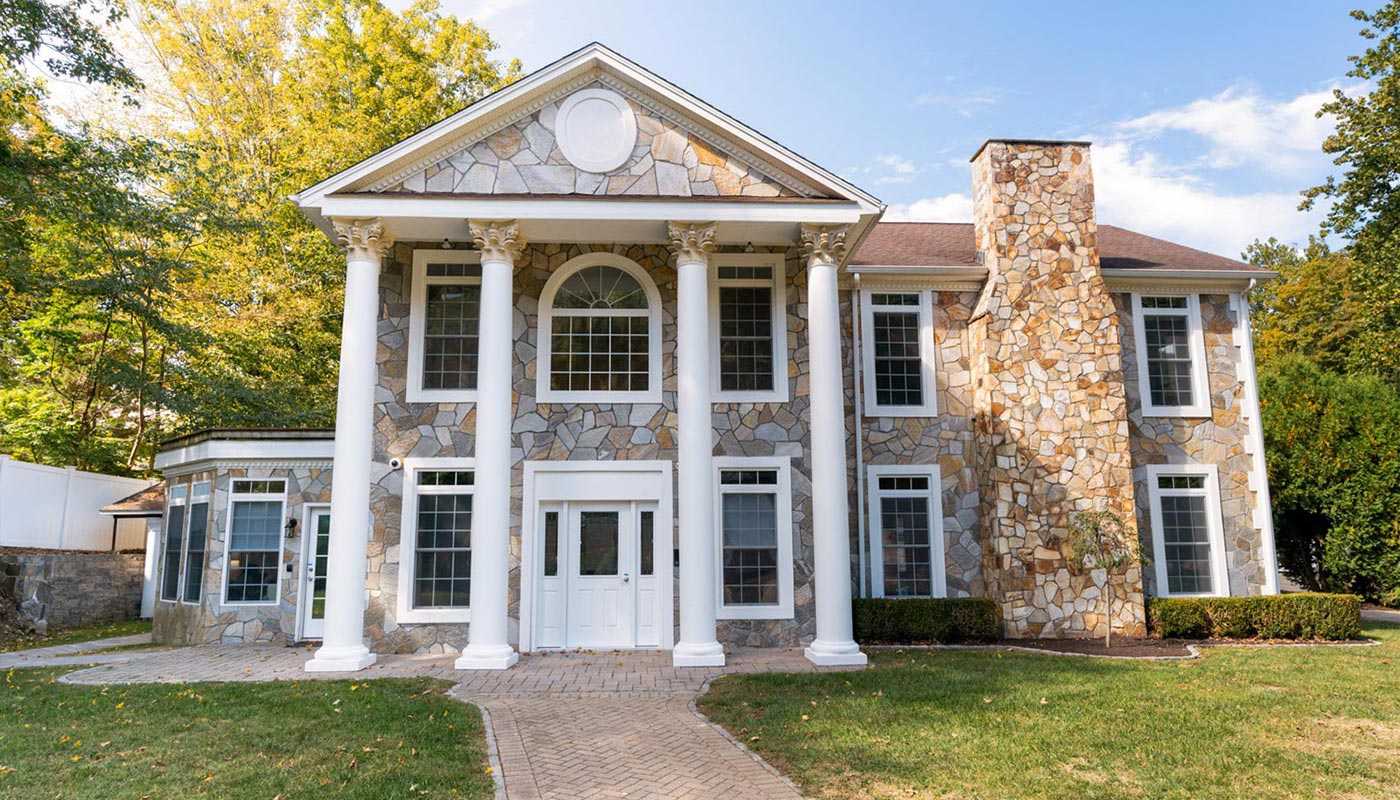
Newport Academy Adolescent OCD Residential
Seymour, Connecticut
✓ Verified · Last verified Invalid Date
ERP · CBT · DBT · Family Therapy
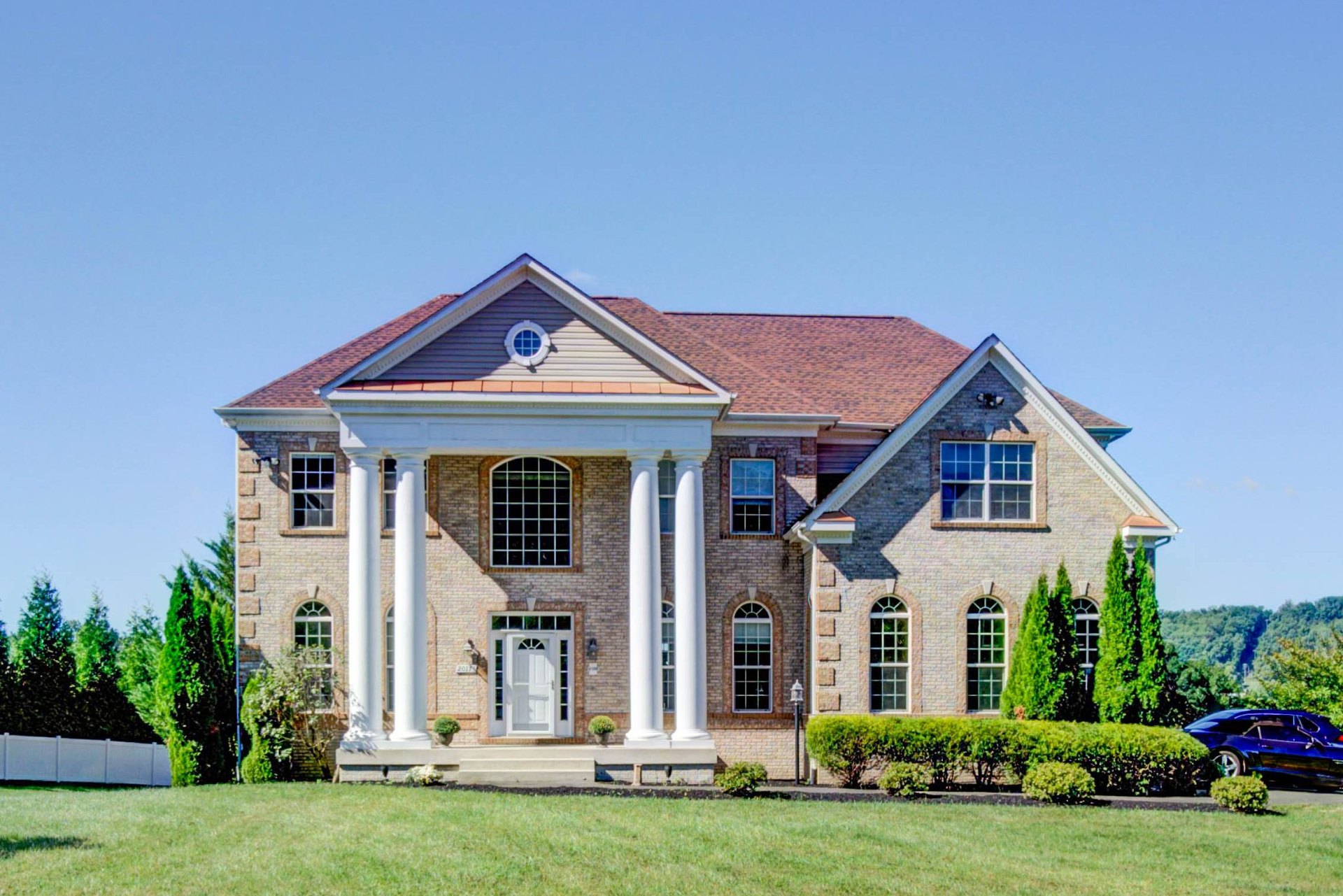
Newport Institute Young Adult OCD Residential
Gleedsville, Virginia
✓ Verified · Last verified Invalid Date
ERP · CBT · DBT · EMDR
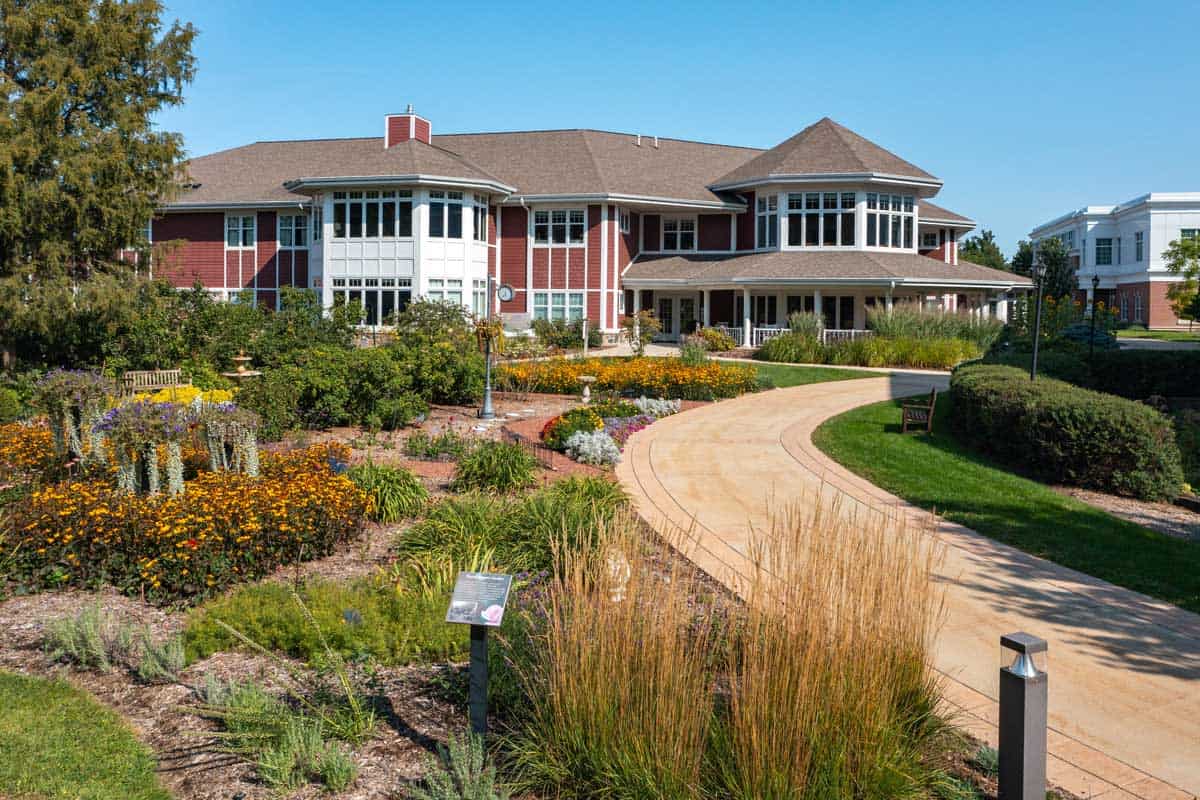
Rogers Behavioral Health Adolescent OCD and Anxiety Residential
Oconomowoc, Wisconsin
✓ Verified · Last verified Invalid Date
ERP · CBT · DBT · ACT
Not sure residential is the right first step?
Many families benefit from speaking with an OCD-specialized therapist before pursuing residential care. An evaluation can clarify severity, level of care, and whether ERP therapy alone may be enough.
Get an OCD evaluation →Common questions about residential OCD treatment
What is residential OCD treatment?
Residential OCD treatment is an intensive level of care where a person lives at a treatment facility for a period of weeks or months while receiving daily ERP therapy and clinical support. It is typically considered when outpatient therapy has not produced sufficient improvement or when OCD has significantly impaired daily functioning.
How do I find a residential OCD treatment program?
Start by searching the OCD RTC directory by state and age group. Look specifically for programs where ERP is the primary treatment modality, not just one of many therapies offered. Call admissions and ask how many hours of ERP a typical resident receives per week. That question alone will tell you a great deal about the program.
How much does residential OCD treatment cost?
Residential OCD treatment typically costs between $15,000 and $50,000 per month depending on the program, location, and level of clinical intensity. Many programs accept private insurance. Some require a single case agreement if the program is out of network. Contact each program’s admissions team directly for current pricing and insurance information.
Is residential OCD treatment covered by insurance?
Many residential OCD programs accept private insurance including Aetna, Cigna, Blue Cross Blue Shield, and UnitedHealthcare. Coverage varies significantly by plan and by program. If a program is out of network, you can request a single case agreement from your insurance provider. Contact the program’s admissions or billing team for insurance verification.
What is the difference between residential OCD treatment and a PHP or IOP?
Residential treatment involves living at the facility around the clock and typically provides 20 to 40 hours of therapy per week. A Partial Hospitalization Program (PHP) provides 20 to 30 hours per week while the person lives at home or in a nearby residence. An Intensive Outpatient Program (IOP) provides 9 to 15 hours per week. Residential is the highest intensity and is appropriate when lower levels of care have not been sufficient.
How long is residential OCD treatment?
Most acute residential OCD programs run 4 to 12 weeks. Longer-term programs for more complex or severe cases can run 6 to 12 months. Discharge timing should be driven by clinical progress and readiness for a lower level of care, not by arbitrary timelines.
Get guidance on navigating OCD treatment.
Monthly insights for families. No spam, unsubscribe anytime.